Research
Structure and Stability of
Hybrid Perovskite Glasses
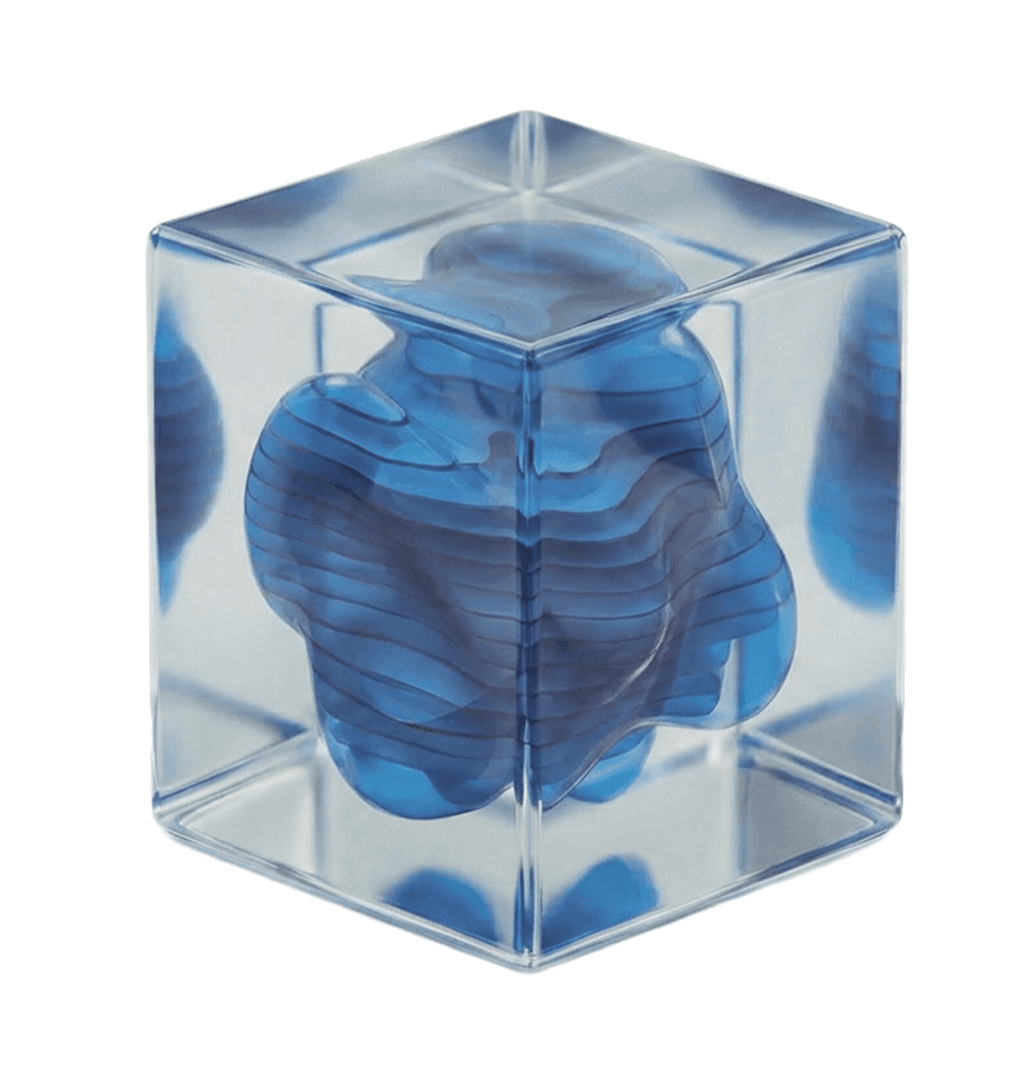
Hybrid organic–inorganic perovskite (HOIP) glasses represent a young and rapidly growing family of materials. They are created by heating a crystalline HOIP until it melts and then rapidly cooling it, a process known as melt-quenching. During this transition from crystal to glass, the long-range order of the solid disappears, but the local arrangement of the metal–halide octahedra largely remains intact. This unusual combination gives HOIP glasses a mix of structural disorder and molecular-level order that leads to striking optical and mechanical behaviors. Despite their promise, HOIP glasses face a major challenge: they tend to recrystallize over short time periods, naturally returning to their more stable crystalline form. This instability limits their use in emerging technologies. In the Functional Hybrid Materials Lab, we investigate how the structure of these glasses shapes their physical properties, from light absorption to mechanical strength. We also work on developing new strategies to stabilize HOIP glasses and suppress unwanted recrystallization, paving the way for their integration into next-generation optoelectronic applications.
Pb-Free Hybrid Glasses
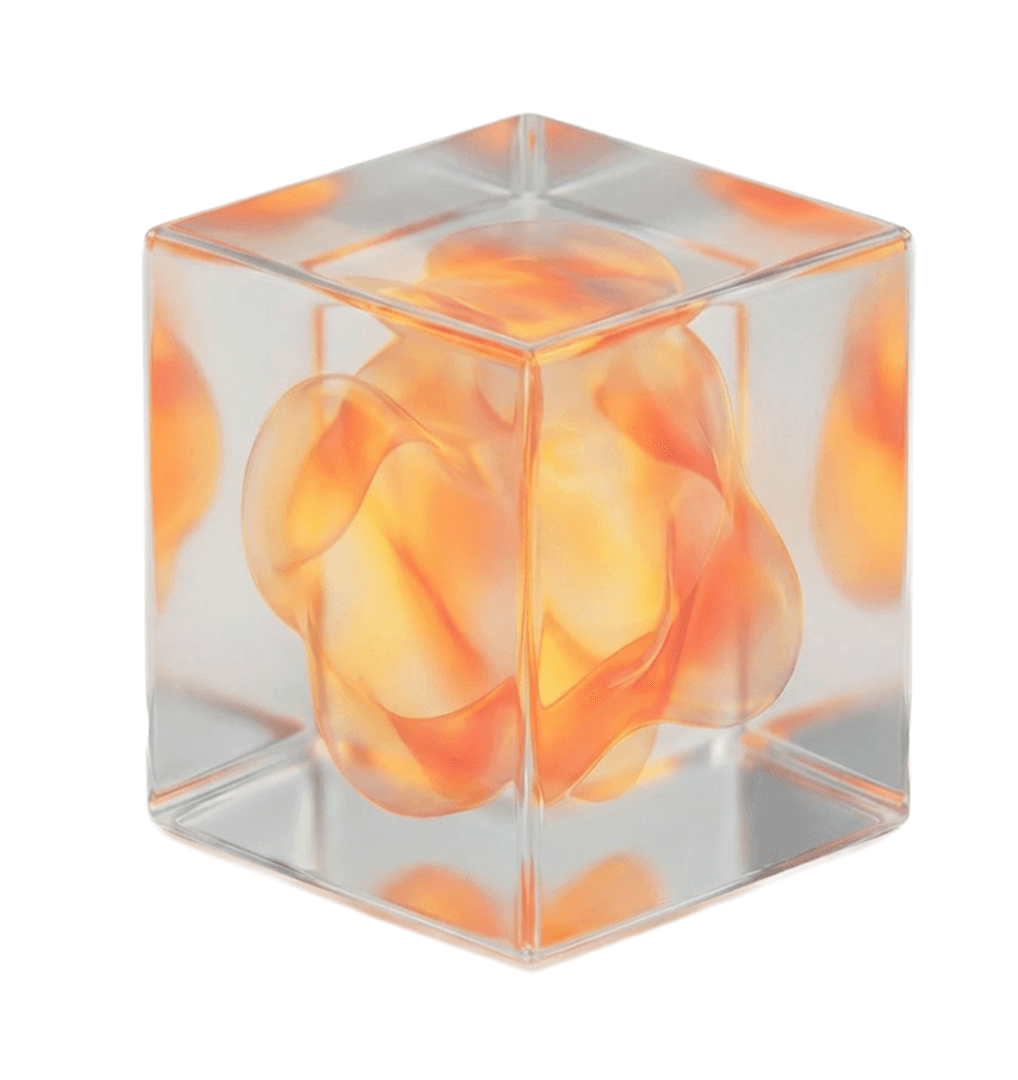
Bringing hybrid perovskites into real-world technologies is currently limited by two major challenges: their reliance on toxic lead (Pb) and their poor stability in everyday environments. One way to address both issues is to move beyond the traditional perovskite structure and explore different metal cations. This approach opens the door to entirely new metal-halide arrangements, such as tetrahedral geometries and other lower-dimensional connectivities, that can offer improved stability without sacrificing functionality. In the Functional Hybrid Materials Lab, we investigate whether these lead-free hybrid structures can form glassy phases. Our work combines synthesis, structural characterization, and thermal analysis to understand how these materials behave when heated and cooled, and whether they can successfully undergo vitrification. By comparing the physical properties of newly designed crystalline hybrids with their glassy counterparts, we uncover the structural features that enable stability, tunability, and safe operation.
Melt Processing of Hybrid Materials
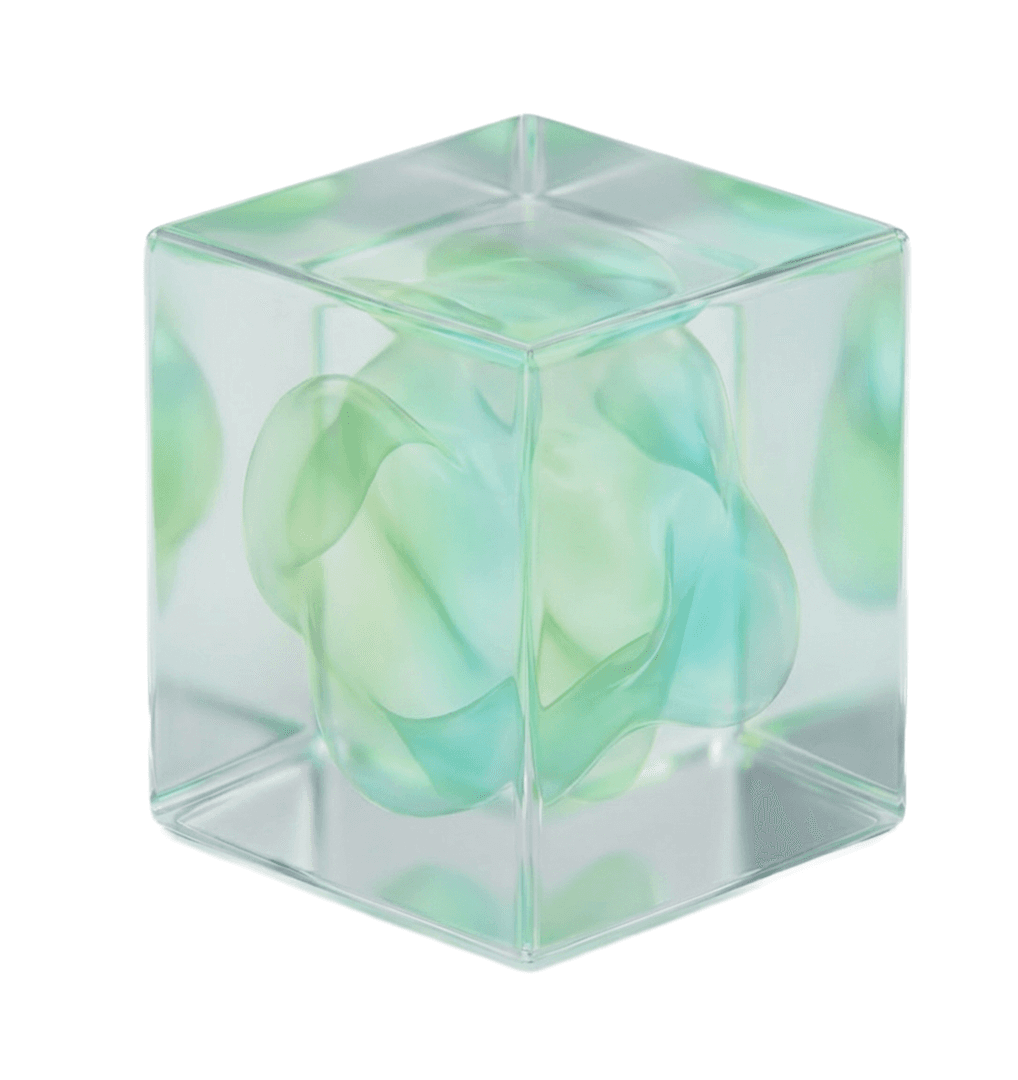
Most devices made from hybrid organic–inorganic perovskites (HOIPs) begin with creating a thin film of the material. Traditionally, this process requires dissolving the HOIP in an organic solvent, coating the solution onto a surface, and then thermally annealing it to form a solid film. However, the solvents commonly used are often environmentally harmful, and even trace solvent residues trapped in the film can negatively impact device performance. In the Functional Hybrid Materials Lab, we take a different approach. Many low-dimensional HOIPs can melt when heated, transitioning directly from a solid to a liquid without the need for any solvent. We harness this unique behavior to develop solvent-free routes for fabricating high-quality HOIP films. After forming these melt-processed films, we analyze their structure, measure their physical and optoelectronic properties, and evaluate their performance as functional materials.